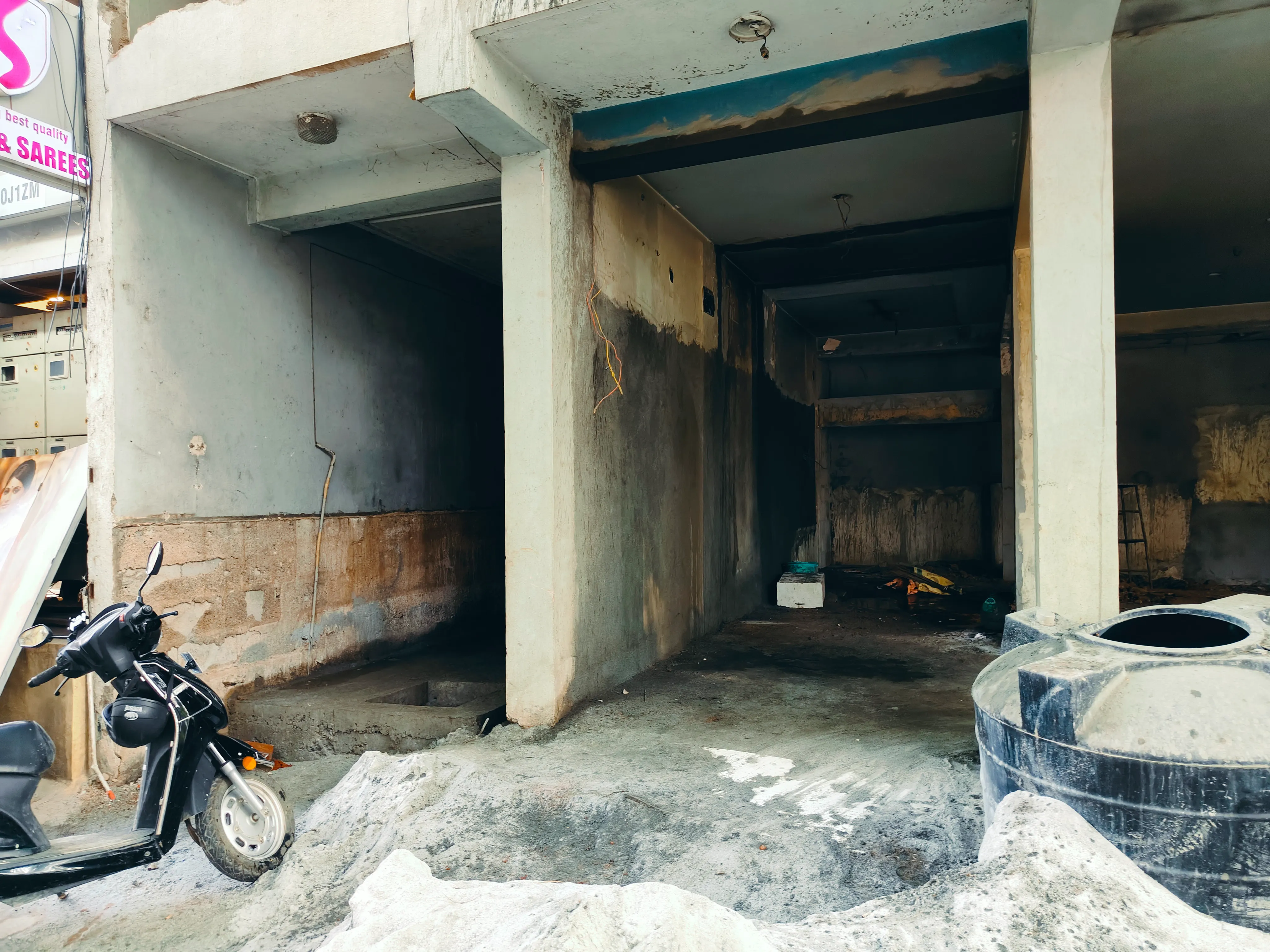
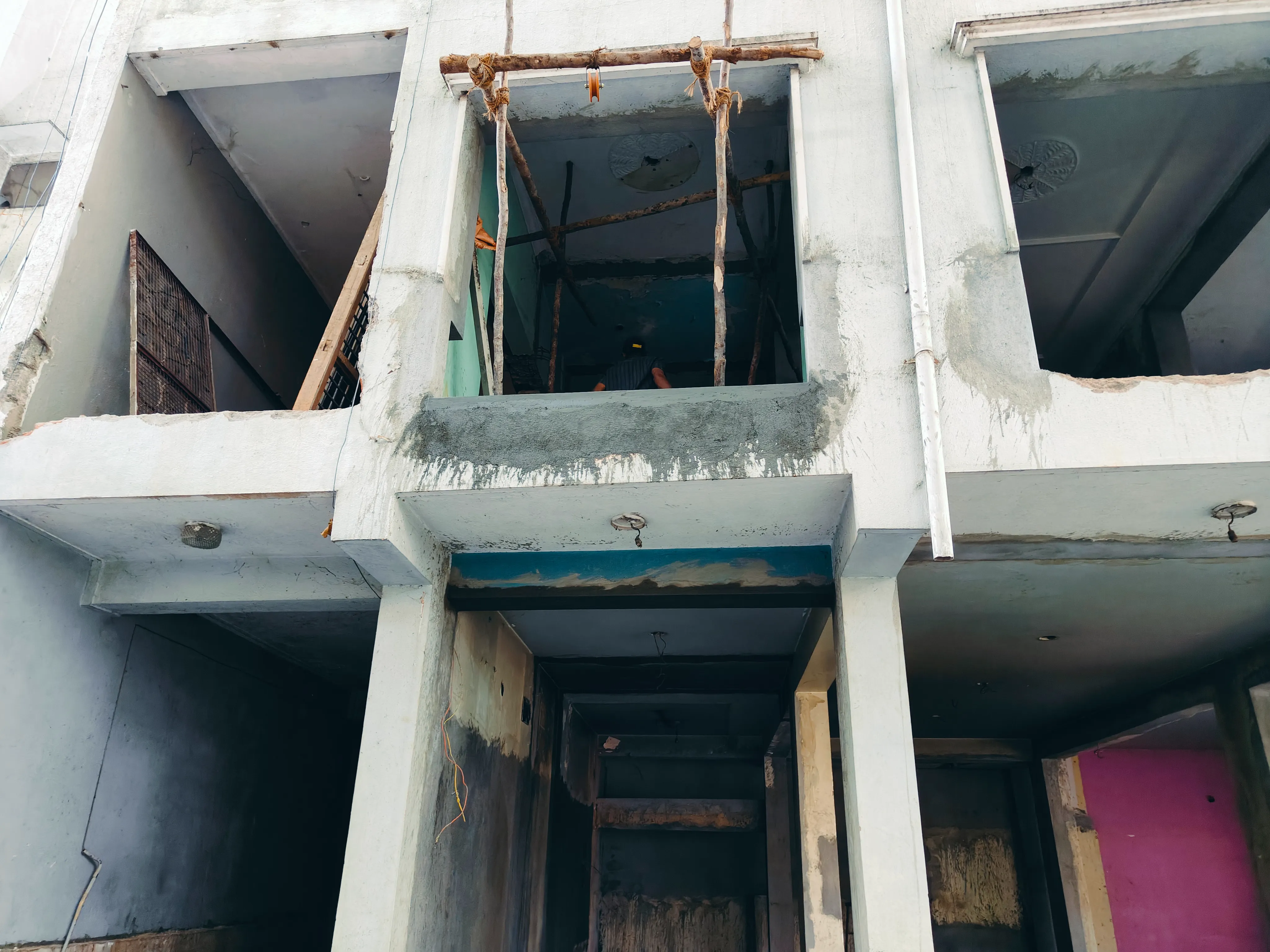
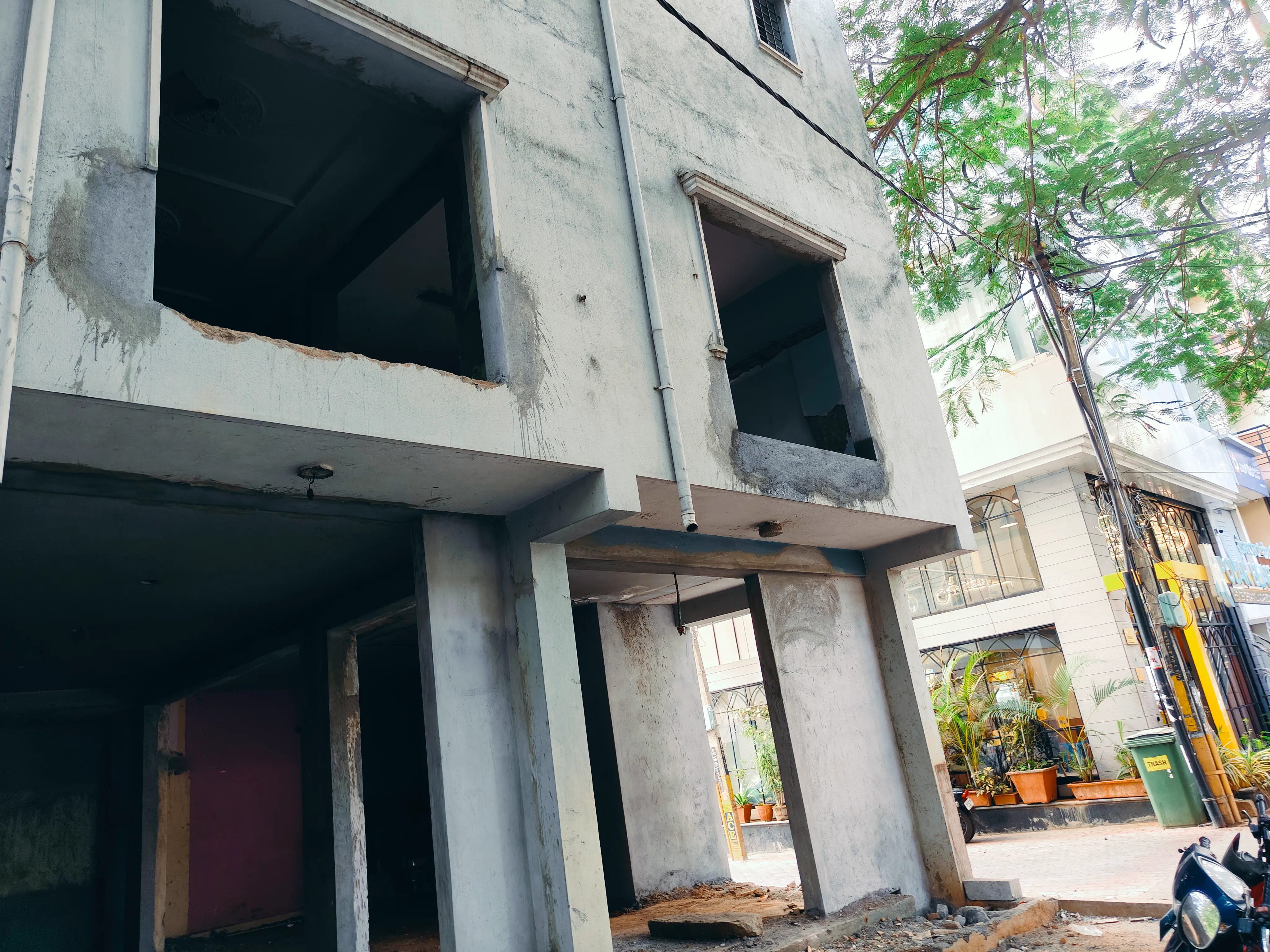
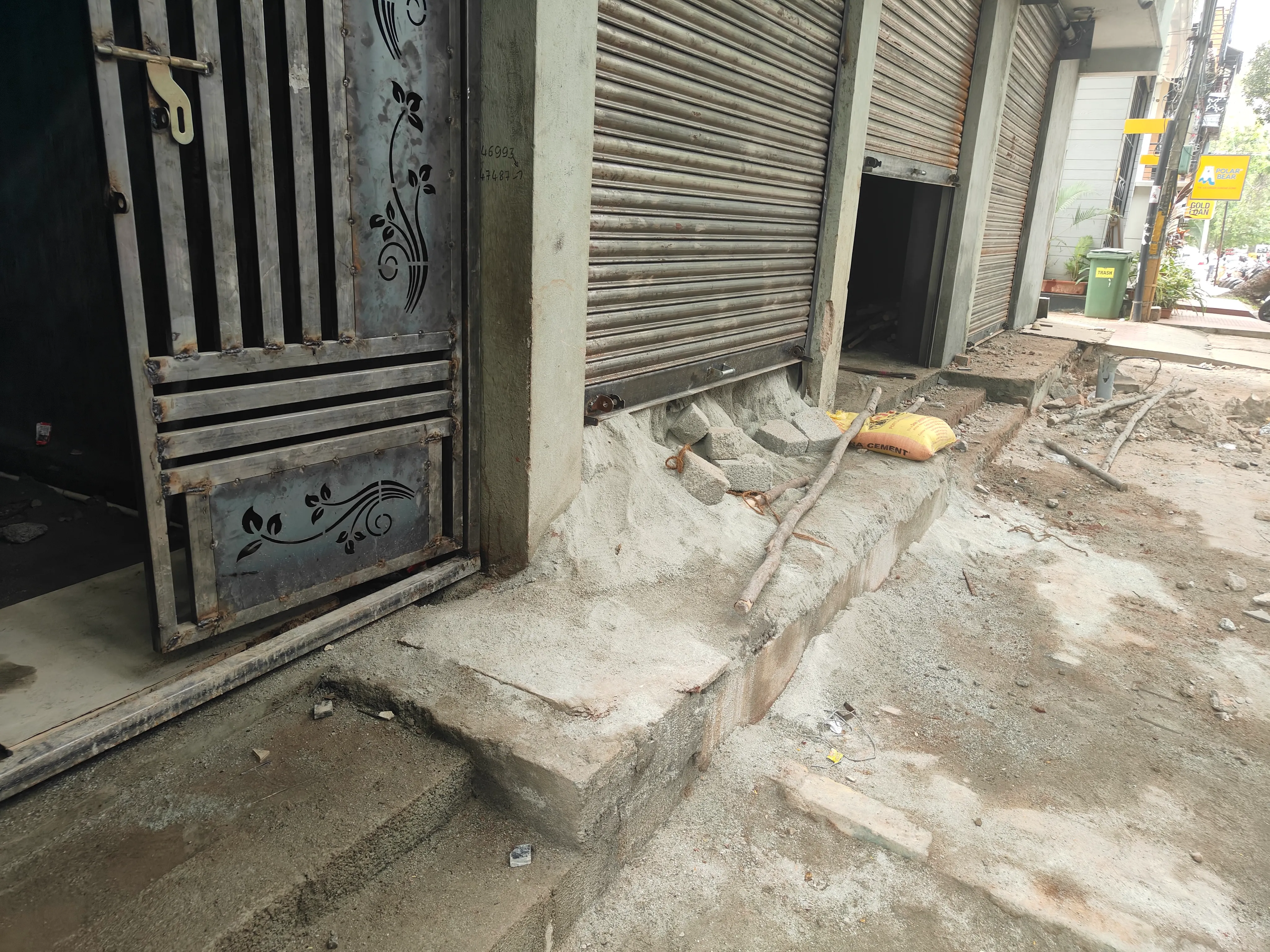
“The temple was constructed with great care for tradition, alignment, and quality. Srusti Constructions respected the spiritual requirements while ensuring strong engineering and neat execution. The workmanship and detailing reflect dedication, and the temple has been completed exactly as envisioned.”

- Call Us :
- +91 8123841704
- Mail Us:
- info@srusticonstructions.in
- Address
- No 42/10, 1st main, KHB Colony, Yelahanka, Bengaluru


About Us
Srusti Constructions (a Brand of Mylar Enterprises an ISO certifications like ISO 9001, ISO 14001, and ISO 45001) is established to achieve success through immense care in planning and choosing the right resources and execution, be it the drawings, construction material and Vaastu to a clear title.
ConsultationContact Info
- No 42/10, 1st main, KHB Colony, Yelahanka, Bengaluru 560064
- +91 8123841704
- info@srusticonstructions.in
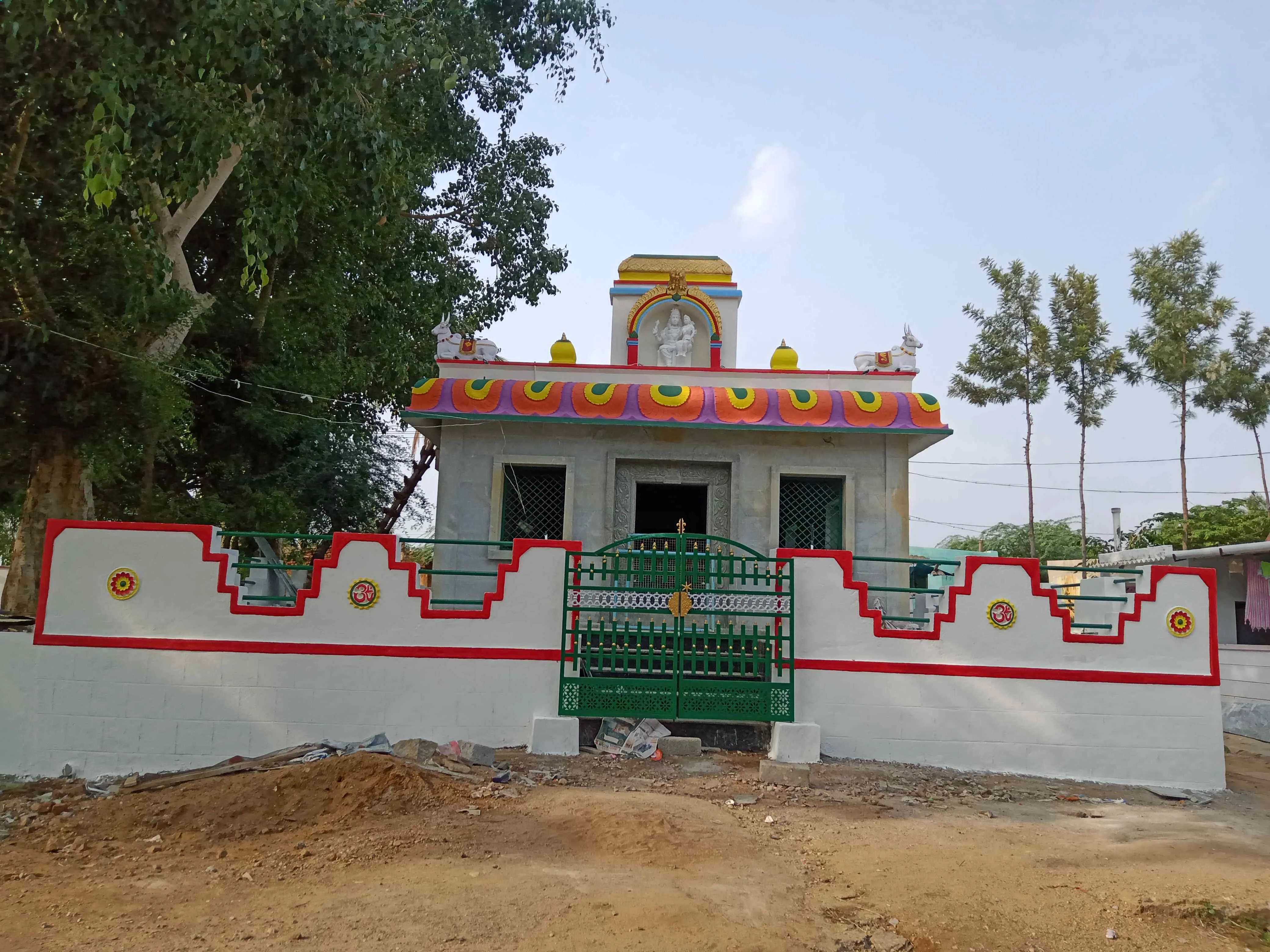
Temple Project | Chikkaballapur | G | 4,500 sq.ft
Challenge:
Constructing a temple on a large open site required a careful balance between spiritual intent and structural strength. The soil profile demanded stabilisation to support heavy stone elements and traditional architectural features, while ensuring durability against seasonal weather conditions. Precision was essential to maintain authenticity, alignment, and long-term safety.
Our Solution:
Srusti Constructions engineered a robust foundation system capable of supporting stone cladding and reinforced concrete elements. Traditional temple architecture was seamlessly integrated with modern construction methods to enhance longevity. High-quality, weather-resistant materials were used, with precise alignment of the Garbha Griha, Mandapa, and Shikhara to preserve spiritual and architectural authenticity.
Outcome:
A structurally sound and spiritually significant temple was delivered, combining traditional aesthetics with modern engineering reliability. The construction is capable of accommodating large gatherings and rituals, with meticulous attention to Vastu principles, detailing, and durability.
Why It's Special :
This project stands as a symbol of cultural heritage executed with engineering precision. Blending age-old temple design principles with contemporary construction discipline, it reflects Srusti’s ability to deliver sacred spaces that are both timeless and structurally resilient.
Project Highlights
From Groundwork to Grandeur
Voices That Build Our Reputation.
What Our Clients Say
TOP