


- Author By : Trilok G Mylar
- Date :
Rainwater Harvesting System for Houses: Benefits, Methods and Installation
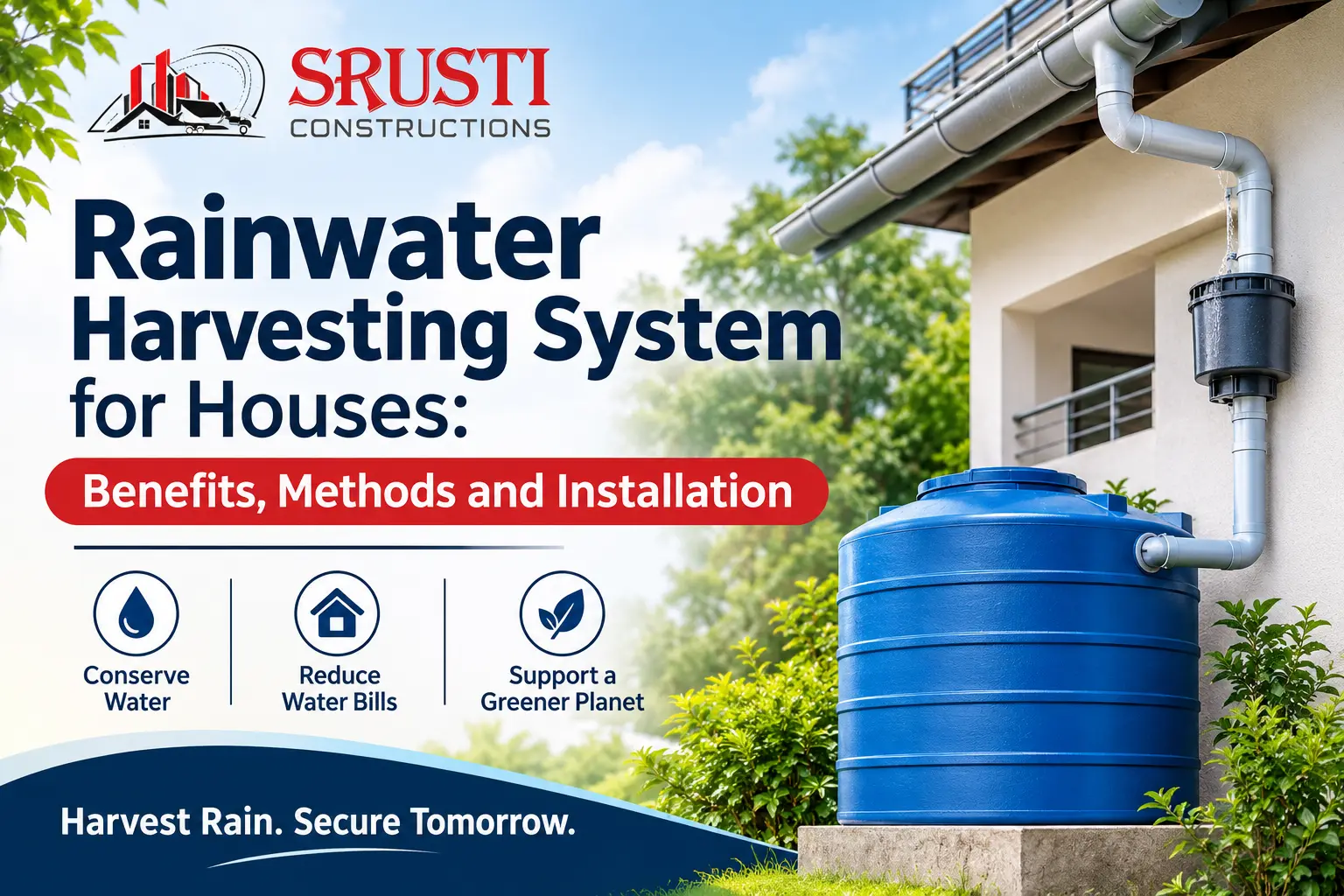
Rainwater Harvesting System for Houses: Benefits, Methods and Installation
A Rainwater Harvesting System for Houses turns every monsoon shower into a valuable resource instead of allowing it to flow into drains. Whether you are planning a new home or upgrading an existing property, rainwater harvesting for homes helps reduce water expenses, minimise dependence on borewells and tankers, and support sustainable living.
With increasing water demand and declining groundwater levels, collecting and storing rainwater has become an important part of modern home planning. This guide explains its benefits, methods and installation to help you choose the right solution.
Why Is Rainwater Harvesting Important for Homes?
Rapid urbanisation, increasing construction activities and excessive groundwater extraction have affected freshwater availability in many cities. Concrete roads and paved surfaces also prevent rainwater from naturally entering the soil.
Rainwater harvesting for homes provides a practical solution by collecting rainfall from rooftops and other suitable surfaces. Homeowners can store it for future use or direct it underground through recharge structures.
In cities like Bangalore, where many households depend on borewells and water tankers, a rainwater collection system can improve water management and reduce pressure on existing water sources.
How Can You Deal with Water Scarcity at Home?
Managing water scarcity requires responsible consumption and alternative water sources. Repairing leaking taps, installing water-efficient fixtures and reusing suitable wastewater are simple ways to practise water conservation in homes.
Another effective solution is installing a rainwater harvesting system. Collected rainwater can support gardening, cleaning and other non-drinking activities, reducing dependence on external water supplies during dry periods.
What Is Rainwater Harvesting and How Can It Help?
Rainwater harvesting is the process of collecting, filtering and storing rainfall for future use or directing it underground to replenish groundwater resources.
What Is a Rainwater Harvesting System?
A rainwater harvesting system consists of several components that work together:
- Catchment Area: The rooftop or surface where rainwater is collected.
- Gutters and Downpipes: Carry water towards the filtration unit.
- First-Flush Diverter: Removes the initial flow containing dust and debris.
- Filter Unit: Removes suspended particles and impurities.
- Rainwater storage tanks: Store filtered water.
- Recharge Structures: Direct excess water into the ground.
A 100-square-metre rooftop can potentially collect around 100 litres for every millimetre of rainfall, before collection losses.
Benefits of Rainwater Harvesting for Homeowners
The rainwater harvesting benefits include:
- Reduced Water Expenses: Using stored rainwater for suitable activities can lower freshwater consumption.
- Less Dependence on Tankers: Collected water supports household requirements during dry periods.
- Groundwater Recharge: Recharge structures help replenish underground water resources.
- Reduced Water Runoff: Rooftop collection helps minimise excessive surface runoff and localised waterlogging.
- Sustainable Living: Encourages responsible water management and reduces pressure on existing resources.
How Rainwater Harvesting Helps Replenish Groundwater
Excessive groundwater extraction can gradually lower water levels. A groundwater recharge system directs filtered rainwater into the soil through recharge pits, trenches or recharge wells. The water gradually seeps through suitable soil layers and contributes to underground reserves.
Its effectiveness depends on soil permeability, site conditions and regular maintenance.
How Can You Harvest Rainwater?
Different rainwater harvesting methods are available depending on rooftop area, plot size, soil conditions and household requirements.
Rooftop Rainwater Harvesting
Rooftop rainwater harvesting collects rainfall from terraces and roofs through gutters and downpipes. After passing through a first-flush device and filter, the water enters a storage tank or recharge structure. This method is suitable for both newly constructed and existing houses.
Surface Runoff Rainwater Harvesting
This method collects rainwater flowing across driveways, paved areas and open spaces. Drainage channels direct the water towards settling tanks or recharge pits. Since surface runoff may contain mud, oil and dust, proper filtration is essential.
Rainwater Storage Tanks
Rainwater storage tanks hold filtered water for future use. They can be installed above ground or underground using materials such as plastic, concrete or ferrocement. Tank capacity should depend on rooftop area, rainfall and household demand. Proper covers, mosquito-proof openings and regular cleaning help maintain water quality.
Groundwater Recharge Pits
Recharge pits allow filtered rainwater to seep into the ground. They generally contain layers of gravel, pebbles and coarse sand. Before installation, soil conditions and groundwater characteristics should be assessed to ensure effective infiltration and reduce contamination risks.
Why Should You Install a Rainwater Harvesting System During House Construction?
Planning rainwater harvesting during house construction is easier and often more economical than adding it after completion. Architects and construction professionals can plan rooftop drainage, pipelines, underground tanks and recharge pits during the initial design stage.
Key advantages include:
- Better Space Planning: Allocate suitable areas for tanks and recharge pits.
- Integrated Plumbing: Plan separate rainwater pipelines.
- Lower Modification Costs: Avoid unnecessary excavation and alterations later.
- Improved Water Management: Design the system around household requirements
- .Long-Term Sustainability: Make it part of sustainable house construction.
A typical rainwater harvesting installation involves assessing the rooftop area, planning the collection layout, installing gutters and downpipes, fitting filters, connecting storage or recharge structures and providing overflow arrangements. Consult a qualified plumber or civil engineer and follow applicable local building regulations before installation.
How Can Rainwater Be Used in Daily Household Activities?
Properly collected and treated rainwater can support several household activities depending on its quality.
Rainwater for Washing and Cleaning
Filtered rainwater can be used for washing vehicles, mopping floors and cleaning outdoor spaces, reducing freshwater consumption.
Rainwater for Gardening and Irrigation
Stored rainwater is suitable for watering lawns, plants and home gardens. It can be distributed using a watering can, garden hose or drip irrigation system.
Rainwater for Domestic Use
With appropriate filtration and treatment, rainwater can be used for toilet flushing and laundry. However, drinking and cooking require proper treatment, disinfection and regular water-quality testing. Untreated rainwater should never be consumed.
Water conservation should be an important consideration in every modern home. A Rainwater Harvesting System for Houses provides a practical way to collect rainfall, reduce water wastage and support groundwater recharge. From rooftop collection and storage tanks to recharge pits, homeowners can choose suitable methods according to their property's design and requirements.
Planning a Rainwater Harvesting System for Houses during construction makes installation easier and supports better water management. Investing in a Rainwater Harvesting System for Houses today can help conserve water and create a more sustainable home for the future.
Planning to build your dream home?
Contact Srusti Constructions and Srusti Construction Youtube Channel for professional guidance, transparent planning and a detailed construction estimate.
