


- Author By : Trilok G Mylar
- Date :
Waterproofing in Building Construction: Methods, Types, and Applications
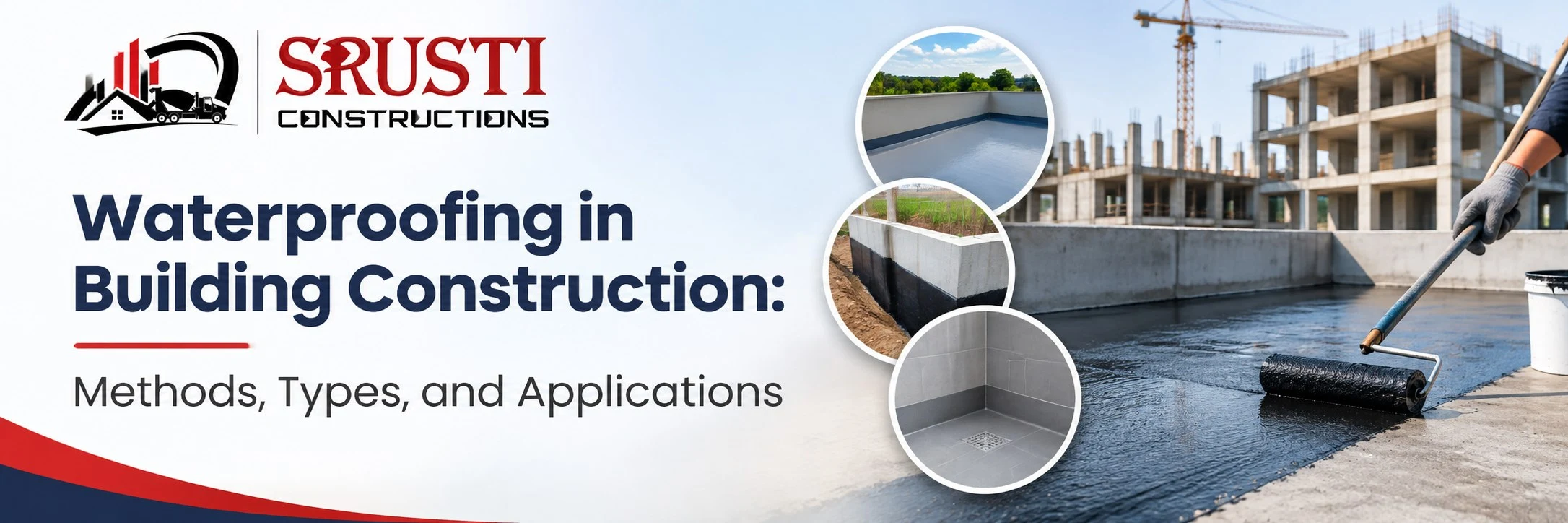
Waterproofing in Building Construction: Methods, Types, and Applications
Water is patient. Given enough time, it finds its way through a hairline crack, a weak joint or a porous slab. What starts as a small damp patch can eventually cause peeling paint, damaged plaster, mould growth and structural deterioration. That is why Waterproofing in Building Construction is an essential part of planning a durable structure rather than something to consider after leakage appears.
Proper waterproofing protects buildings from rainwater, groundwater and moisture penetration. Choosing the right materials and application methods helps prevent costly repairs and improves the building's lifespan.
What Is Waterproofing in Building Construction?
Waterproofing is the process of applying protective coatings, membranes or specialised treatments to prevent water from penetrating building surfaces. It creates a barrier that protects concrete, masonry, foundations, roofs and floors from moisture.
How Does Waterproofing Protect a Building?
A properly applied waterproofing system prevents water from entering through cracks, joints and porous surfaces. It also reduces moisture penetration, protects reinforcement steel from corrosion and helps maintain comfortable indoor conditions.
Importance of Waterproofing in Building Construction
Waterproofing plays an important role in maintaining a building's strength, appearance and durability.
Preventing Water Leakage and Seepage
Water can enter through terrace slabs, bathrooms, balconies, external walls and foundations. Effective building waterproofing prevents seepage and reduces recurring leakage problems.
Protecting Structural Strength
Continuous moisture exposure can cause reinforcement steel inside concrete to corrode. This can lead to cracks and deterioration. Proper waterproofing helps protect beams, columns and slabs.
Increasing Building Lifespan
A well-protected building requires fewer moisture-related repairs. Investing in suitable waterproofing solutions reduces maintenance expenses and improves the property's durability.
Preventing Dampness and Mould Growth
Damp walls encourage mould growth, peeling paint and unpleasant smells. Proper waterproofing helps maintain healthier and more comfortable indoor spaces.
Different Types of Waterproofing Methods
There are several waterproofing methods in construction, and the right choice depends on the surface, water exposure and project requirements.
- Cement-based waterproofing: Uses cement compounds and polymer additives to protect concrete surfaces.
- Liquid-applied waterproofing: Forms a seamless protective membrane after application and curing.
- Membrane-based waterproofing: Uses prefabricated sheets or specialised membranes to prevent water penetration.
- Injection-based waterproofing: Uses chemical grouting to seal cracks and leaking joints.
Common Waterproofing Methods and Materials
Cementitious Waterproofing
Cementitious waterproofing uses cement-based compounds mixed with polymer additives. It is commonly applied in bathrooms, swimming pools, water tanks and basement walls. It bonds well with concrete and is suitable for areas with limited structural movement.
Liquid Waterproofing Membrane
A liquid waterproofing membrane is applied using brushes, rollers or spray equipment. It cures into a continuous, flexible layer suitable for terraces, balconies and bathrooms. Proper surface preparation and coating thickness are essential for effective protection.
Bituminous Coating Waterproofing
Bituminous coating waterproofing uses asphalt-based materials to protect foundations, retaining walls and concrete surfaces. It is economical and helps prevent moisture penetration. Conventional coatings require protection from prolonged direct sunlight.
Bituminous Membrane Waterproofing
Bituminous membrane waterproofing uses prefabricated sheets reinforced with polyester or fibreglass. These membranes are installed using torch application or self-adhesive methods. They are commonly used on roofs, terraces and foundations. Properly sealed joints are essential to prevent leakage.
Elastomeric Paint Waterproofing
Elastomeric paint is a flexible acrylic coating used on exterior walls and parapets. It bridges minor surface cracks and protects against rainwater penetration. However, it is not a replacement for specialised membranes in areas exposed to continuous water pressure.
Polyurethane Liquid Membrane Waterproofing
Polyurethane waterproofing forms a flexible and seamless protective layer after curing. It is suitable for terraces, balconies and exposed roofs. It offers good elasticity, but requires proper surface preparation and controlled moisture conditions during application.
Brick Bat Coba Waterproofing
Brick Bat Coba waterproofing is a traditional terrace treatment that uses broken brick pieces, cement mortar and suitable waterproofing compounds. The bricks are laid with the required slope to direct rainwater towards drainage outlets. It provides additional thermal insulation but increases the roof's structural load.
EPDM Waterproofing Membrane
An EPDM waterproofing membrane is made from synthetic rubber known for flexibility and weather resistance. It is commonly used on flat roofs and terraces. Proper joint sealing and edge detailing are necessary for long-term performance.
Injection Grouting for Waterproofing
Injection grouting is a repair technique used to stop leakage through concrete cracks and construction joints. Polyurethane, epoxy or cementitious grout is injected into identified leakage points. It is particularly useful for repairing basement walls and underground structures.
Common Areas That Require Waterproofing
Different building areas experience different levels of water exposure.
Roof and Terrace Waterproofing
Roofs face rainfall, sunlight and temperature changes. Proper slope formation, drainage outlets and waterproofing membranes help prevent water accumulation and leakage.
Basement Waterproofing
Basements are exposed to groundwater and soil moisture. Suitable membranes, drainage systems and injection grouting may be required depending on site conditions.
Bathroom and Kitchen Waterproofing
Bathroom waterproofing should cover floors, wall junctions and pipe openings before tiles are installed. This prevents seepage into adjoining rooms and lower floors.
Balcony Waterproofing
Balconies require proper slopes, drainage outlets and flexible waterproofing membranes to prevent rainwater from entering internal spaces.
Water Tank and Swimming Pool Waterproofing
These structures require specialised materials that withstand continuous water exposure. Drinking water tanks must use products suitable for potable water applications.
Advantages and Disadvantages of Waterproofing Methods
Each system has its own benefits and limitations.
- Cementitious: Affordable and easy to apply, but offers limited flexibility.
- Liquid membrane: Seamless and flexible, but requires accurate thickness control.
- Bituminous coating: Economical, but conventional products have limited UV resistance.
- Bituminous membrane: Durable, but requires skilled installation.
- Elastomeric paint: Flexible and suitable for exterior walls, but unsuitable for continuous water pressure.
- Polyurethane: Highly flexible, but requires careful surface preparation.
- Brick Bat Coba: Provides slope and insulation, but adds structural load.
- EPDM: Weather-resistant and flexible, but needs proper joint detailing.
- Injection grouting: Effective for localised repairs, but does not replace complete waterproofing.
How to Choose the Right Waterproofing Method?
Selecting the right Waterproofing in Building Construction solution depends on the location, water exposure and structural conditions.
Consider these important factors:
- Identify the water source: Determine whether leakage comes from rainfall, groundwater or plumbing.
- Understand the application area: Roofs, bathrooms, balconies and basements require different treatments.
- Check structural conditions: Examine cracks, joints, surface strength and drainage.
- Choose suitable materials: Select products compatible with the surface and environmental conditions.
- Hire experienced professionals: Correct installation is as important as material quality.
- Conduct regular inspections: Check joints, drainage outlets and exposed coatings periodically.
Proper surface preparation, application thickness, curing and drainage are essential. Flood testing should also be conducted in suitable wet areas before installing tiles and final finishes.
Waterproofing is an essential part of quality construction that protects buildings against leakage, dampness and structural deterioration. From cementitious coatings and liquid membranes to bituminous systems and injection grouting, every method serves a specific purpose. Choosing the right Waterproofing in Building Construction solution requires proper planning, suitable materials and professional workmanship. Investing in waterproofing during construction helps reduce future repair expenses and improves building durability.
At Srusti Constructions, quality materials, careful planning and professional construction practices are important considerations in building durable homes. Proper waterproofing helps homeowners protect their property and enjoy a safer, longer-lasting living space.
Plan carefully. Verify thoroughly. Build confidently.
